English
 Afrikaans
 Albanian
 Amharic
 Arabic
 Bulgarian
 Chinese (Simplified)
 Chinese (Traditional)
 Croatian
 Dutch
Dutch Filipino
 French
 German
 Greek
Greek Hindi
Hindi Indonesian
 Irish
Irish Italian
 Japanese
 Korean
 Lao
Lao Latin
Latin Nepali
 Persian
 Polish
 Portuguese
 Romanian
 Russian
 Serbian
 Sesotho
 Spanish
 Thai
Thai Turkish
Why I Started Using a Multi‑Platform, Non‑Custodial Wallet — and Why Guarda Stuck
Whoa!
I never expected a wallet to feel this flexible across my phone and laptop. Seriously? It was a weird little relief to open the same account on desktop and mobile and have everything sync up. Initially I thought cross-platform wallets would force compromises in security or usability, but after a few weeks testing Guarda on iOS, Android, and a Chrome extension I started to change my mind.
Hmm…
I’m biased, but non‑custodial wallets are my default whenever possible. They let you actually own your keys, which is a huge difference from handing custody to an exchange. On one hand that responsibility means you must be disciplined about backups and seed phrases, but on the other hand you avoid opaque custodial risks that have eroded trust in centralized platforms.
Really?
Yes, and there are practical wins. For example, I moved tokens between chains without needing a middleman, and the built‑in swap felt quick enough for small trades. There are caveats, of course—fee estimation sometimes feels fuzzy, and advanced traders will miss granular control over gas prices unless they dig into settings. This part bugs me a bit, but it’s not a deal‑breaker for everyday use.
Here’s the thing.
Installation is straightforward, though you should always get installers from trusted sources. I recommend verifying download checksums where available, or using official app stores. Initially I followed a sketchy link once and that somethin’ about the UI felt off, and that experience taught me to be paranoid about URLs—so I now only use the link I know and trust. (Oh, and by the way… always write your seed phrase on paper.)
Whoa!
I’ll be honest—I like that Guarda supports a wide range of assets without forcing import of dozens of extensions. Their multi‑platform approach means I can set up a mobile wallet for quick payments and a desktop extension for browser‑based dapps. On the technical side, the wallet keeps private keys encrypted on your device and uses standard derivation paths, which helps with compatibility across apps and with hardware wallets later. If you’re checking them out from the US, remember to keep your seed phrase offline and safe.
Seriously?
Support and documentation are decent but not perfect. I had to hunt through forums once to clarify a particular token import, which is something the docs could spell out more clearly. Initially I thought community support would fill gaps, and it often does, though relying on community threads is slower than a crisp official guide—so take that into account if you need fast onboarding. All that said, for most people who want a simple multi‑platform, non‑custodial wallet, Guarda is a solid option.
Where to get it (and one thing I insist on)
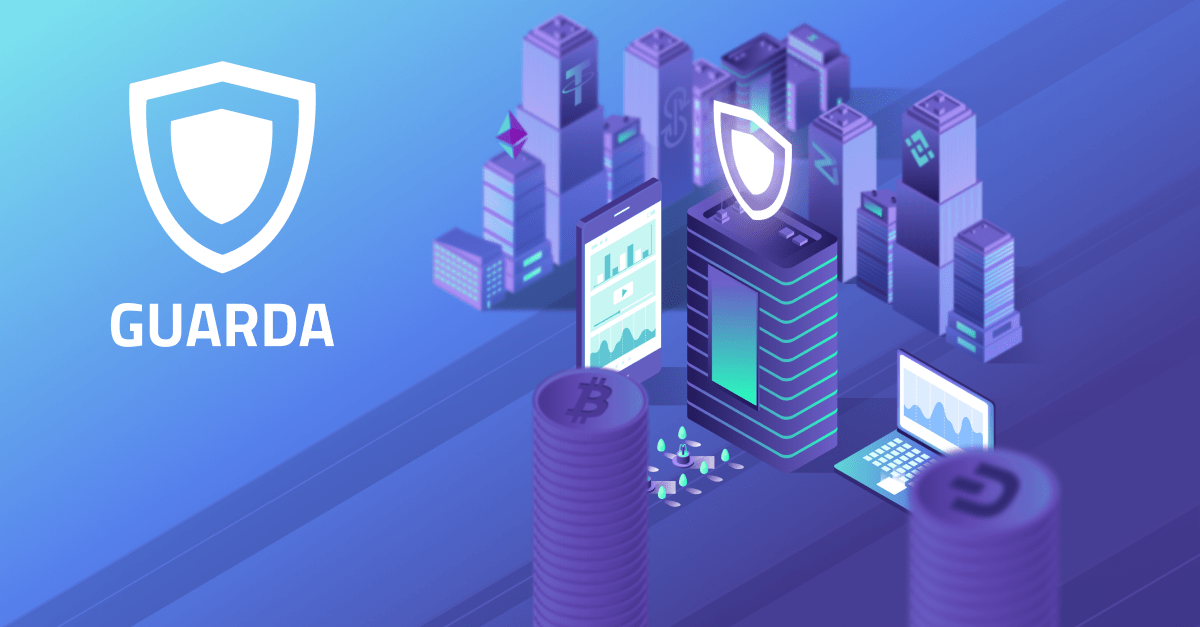
Hmm… If you want to try it out, the easiest route is to visit the official download page. Click here to get the Guarda wallet download — that’s the version I used on desktop and mobile. When you install, choose to create a new wallet or import an existing one with a seed phrase, and make sure you write that phrase down on paper and store it somewhere safe because digital copies can be stolen. Do not take screenshots of your seed, do not email it, and consider a fireproof safe if you care about long‑term holdings.
Okay.
After setup, explore the basics: send, receive, swap, and connect to dapps. Try a small transaction first to get comfortable with gas and confirmation times. On one hand speed varies by network congestion, though actually you’ll find the wallet surfaces estimated fees and lets you adjust where supported, which is helpful once you know what those settings do. If you ever lose access, recovery is only possible with your seed phrase, so treat it like gold.
Quick Questions
Is Guarda truly non‑custodial?
Short answer: yes.
Your private keys remain encrypted on your device and Guarda does not hold custody, so you control access.
Which platforms are supported?
Desktop, mobile, and a browser extension are supported, and they aim for parity across them.
Try small transactions first and back up your seed phrase before transferring larger amounts.
Support docs cover more, though community threads often fill the gaps.