English
 Afrikaans
 Albanian
 Amharic
 Arabic
 Bulgarian
 Chinese (Simplified)
 Chinese (Traditional)
 Croatian
 Dutch
Dutch Filipino
 French
 German
 Greek
Greek Hindi
Hindi Indonesian
 Irish
Irish Italian
 Japanese
 Korean
 Lao
Lao Latin
Latin Nepali
 Persian
 Polish
 Portuguese
 Romanian
 Russian
 Serbian
 Sesotho
 Spanish
 Thai
Thai Turkish
Understanding the psychological factors that influence gambling behavior in casinos
Understanding the psychological factors that influence gambling behavior in casinos
The allure of risk and reward
The excitement of gambling often revolves around the psychological concepts of risk and reward. Players are drawn to the thrill of potential wins, which triggers the release of dopamine, a neurotransmitter associated with pleasure. This anticipation creates a compelling cycle that can lead individuals to return to casinos repeatedly, hoping to replicate past successes. The brain’s reward system becomes activated as players chase these highs, making it difficult to resist the urge to gamble further. One popular choice among casino entertainment options is the Aviator Game, which adds another layer of excitement to the experience.

Moreover, casinos are designed to amplify these feelings. The bright lights, engaging sounds, and the sense of urgency created by games keep players enthralled. This immersive environment heightens the emotional stakes, leading to a stronger commitment to the gambling experience. Understanding how these elements influence decision-making can shed light on why individuals may engage in risky behavior in the pursuit of reward.
The role of cognitive biases
Cognitive biases significantly influence gambling behavior, leading players to make irrational decisions. Common biases include the illusion of control, where individuals believe they can influence game outcomes despite the inherent randomness. This belief can cause players to gamble more than they intended, underestimating the risks involved. For instance, a player may feel that a particular strategy will yield favorable results, even when statistical evidence suggests otherwise.
Another prevalent bias is the gambler’s fallacy, where individuals believe that past outcomes will influence future results. This can lead to persistent betting patterns based on the expectation that “luck” will change. These cognitive distortions create a false sense of understanding of the games, encouraging prolonged gambling behavior and contributing to potential addiction.
The impact of social factors
Social influences also play a significant role in shaping gambling behavior. Many individuals engage in gambling as a social activity, drawn in by friends or family members. The communal aspect of games can enhance enjoyment and create a sense of belonging. This social dynamic often normalizes gambling, making it more appealing and encouraging individuals to participate in activities they might avoid when alone. Players often find themselves captivated by options like the real aviator game, which is particularly popular in social settings.
Additionally, peer pressure can lead to increased gambling. When surrounded by others who are betting, individuals may feel compelled to join in, even if they have reservations. This social environment can exacerbate risky behaviors, as the desire to fit in or impress others takes precedence over rational decision-making.
The impact of environment and marketing
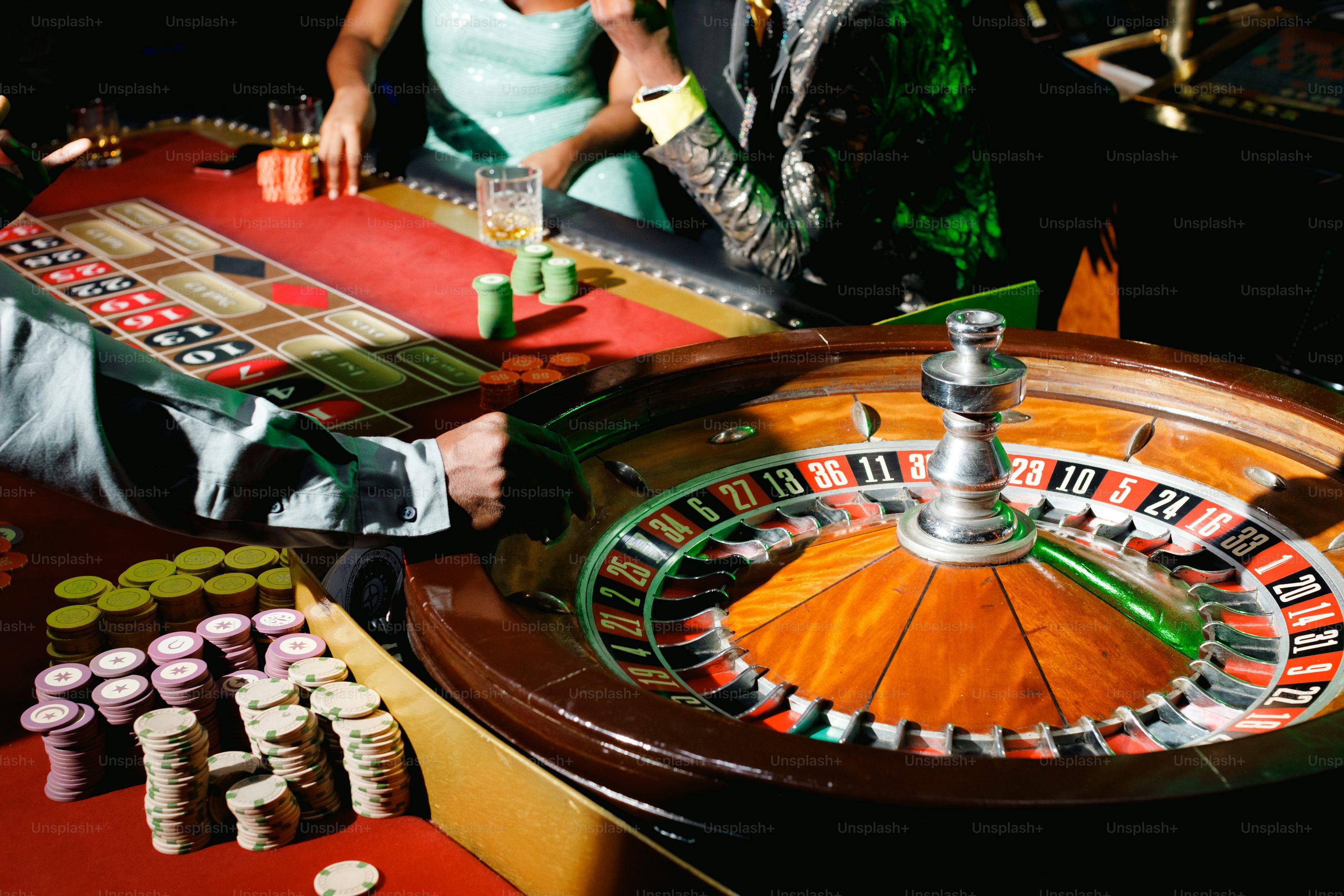
The casino environment is meticulously crafted to maximize engagement and prolong play. Elements such as layout, ambient sounds, and visual stimulation all serve to keep players in a heightened state of excitement. Free drinks and complimentary offers further entice players, creating an environment that encourages extended gambling sessions. This strategic design takes advantage of psychological triggers, reinforcing the idea of ‘winning’ and minimizing the perception of loss.
Marketing strategies also contribute to gambling behavior. Promotions and loyalty programs are designed to foster a connection between the player and the casino, encouraging repeated visits. The promise of rewards can manipulate players’ psychological triggers, leading them to gamble more than they originally intended. Understanding these marketing techniques can illuminate how casinos effectively shape gambling habits.
Exploring responsible gaming resources
In light of the psychological factors influencing gambling behavior, it is crucial to promote responsible gaming. Many casinos now offer resources and programs to help players manage their gambling habits effectively. These initiatives include self-exclusion programs, educational materials on responsible gambling, and access to support networks for those who may be struggling with addiction.
By creating an awareness of the psychological influences at play, players can be better equipped to make informed decisions about their gambling behavior. Understanding the risks and recognizing the triggers that lead to excessive gambling can empower individuals to seek help and enjoy gaming responsibly. It’s vital to approach gambling as a form of entertainment rather than a means to achieve financial stability or success.