English
 Afrikaans
 Albanian
 Amharic
 Arabic
 Bulgarian
 Chinese (Simplified)
 Chinese (Traditional)
 Croatian
 Dutch
Dutch Filipino
 French
 German
 Greek
Greek Hindi
Hindi Indonesian
 Irish
Irish Italian
 Japanese
 Korean
 Lao
Lao Latin
Latin Nepali
 Persian
 Polish
 Portuguese
 Romanian
 Russian
 Serbian
 Sesotho
 Spanish
 Thai
Thai Turkish
Why Multi-Chain Wallets Matter: Risk, Simulation, and DeFi Reality
So I was thinking about wallets again—yeah, that one task you do every day without a second thought. Whoa! Wallets are more than key storage now; they’re the front door to a vast, leaky apartment building of protocols and incentives. My gut said they should be simple, but actually wait—let me rephrase that: simple for users, sophisticated under the hood. Initially I thought a multi-chain wallet was just convenience; then I started stress-testing swaps and approvals across chains and learned otherwise.
Here’s the thing. DeFi is like the wild west except the saloons talk in smart contract bytecode. Seriously? Yes. You can bridge assets, stake, provide liquidity, farm rewards, and in the same breath get rugpulled or front-run. My instinct said “trust but verify,” but verifying used to mean reading Solidity source with a magnifying glass—no thanks. So wallets that provide risk assessment and transaction simulation change the calculus for everyday users and power traders alike.
Let me walk you through what actually matters, from immediate threats to subtle protocol risks, and how a modern multi-chain wallet should help. Hmm… I get excited about tooling. I’m biased, but safer tooling moves the whole space forward. Some of this is technical; some of it is common sense (and somethin’ like paranoia, which is okay in crypto).
Why simulation matters more than ever
Transaction simulation is the difference between guessing and knowing. A simulation can show you the expected gas, slippage, token approvals requested, and whether a contract will revert. Short sentence: game changer. You avoid costly mistakes, especially on chains where failed transactions still burn gas. On top of that, simulation helps detect hidden approvals or hooks that might route funds to unexpected addresses, which many wallets don’t surface clearly.
Think of simulation like a rehearsal. You run through the transaction in a sandbox, and you see how the state changes without committing on-chain. That prevents accidental approvals and front-running when mempool conditions are bad. On the other hand, simulation isn’t perfect—some MEV behavior or oracle timing issues won’t appear in a static run—but it reduces surface area dramatically. On one hand the tool is powerful; on the other hand, users still need protocol literacy.
Risk assessment: what to look for in your wallet
There are three layers to evaluate. Layer one: immediate transaction flags—approvals for unlimited spend, transfers to blacklisted addresses, or nonce gaps. Layer two: protocol-level flags—audits, verified contracts, on-chain activity patterns. Layer three: systemic risks—concentration of liquidity, centralized governance keys, and cross-chain bridges with few validators.
Okay, so check this out—when I reviewed a yield farm I trusted, I saw an unlimited approval that would allow the contract to pull more than I expected. I changed my approval to a limited amount immediately. That little step prevents a class of exploits. I’m not 100% sure everyone does that, though usually folks rinse and repeat with the same approvals and then wonder why their funds vanish. This part bugs me.
Good wallets surface these flags. The best ones contextualize them: “This contract is verified; it has N audits and X daily volume.” They also show who controls upgradeability, because upgradeable contracts are silent risks—an admin could change logic to siphon funds. Show me the upgradeability status. Show me the multisig signers. If I can’t see it, I treat the protocol as untrusted.
Multi-chain challenges and subtle attack vectors
Cross-chain assets complicate trust assumptions. A wrapped token on Chain A might have different economic guarantees than its representation on Chain B. For example, some bridges use custodial models with few signers, which raises counterparty risk. Very very important to check the bridge model before moving large amounts.
There are also composability traps. You might approve Token X for a router on Ethereum, then use a bridge to move X to another chain and interact with a new contract that assumes different token semantics. The wallet should track token identity across chains and warn when semantics change—like when decimals differ or when wrapped tokens can be unwrapped into multiple underlying assets.
On top of that, MEV and sandwich attacks still happen. Simulation can forecast slippage, but it can’t reliably predict gas war outcomes when mempool bots game the pending transaction. Some wallets integrate with relayers or private mempools to mitigate front-running risk—those options are worth considering if you’re moving big sums or interacting with low-liquidity pools.
Practical checklist for DeFi users
Don’t just click approve. Pause. Seriously? Pause again. Short checklist:
- Use simulation to preview state changes and gas.
- Limit token approvals; avoid unlimited allowances when possible.
- Check contract verification and upgradeability.
- Assess bridge validator counts and custody models.
- Consider private relay or gas-fee strategies for large trades.
I’ll be honest—this sounds like a lot. It is. But that’s why tooling matters. A wallet that brings these checks into the UI reduces cognitive load and lowers the barrier to safe participation. When a wallet bundles simulation, risk scoring, and cross-chain awareness, users stop relying on hope and start making informed choices.
Choosing a wallet: beyond UX and into risk reduction
Most people pick a wallet for convenience or aesthetics. But when you’re operating across multiple chains, prioritize instrumented wallets—those that simulate, flag, and explain. I started using one during a coin launch season because too many people were getting rekt by basic approval mistakes. The difference felt like switching from a flashlight to stadium lights—suddenly the hazards were obvious.
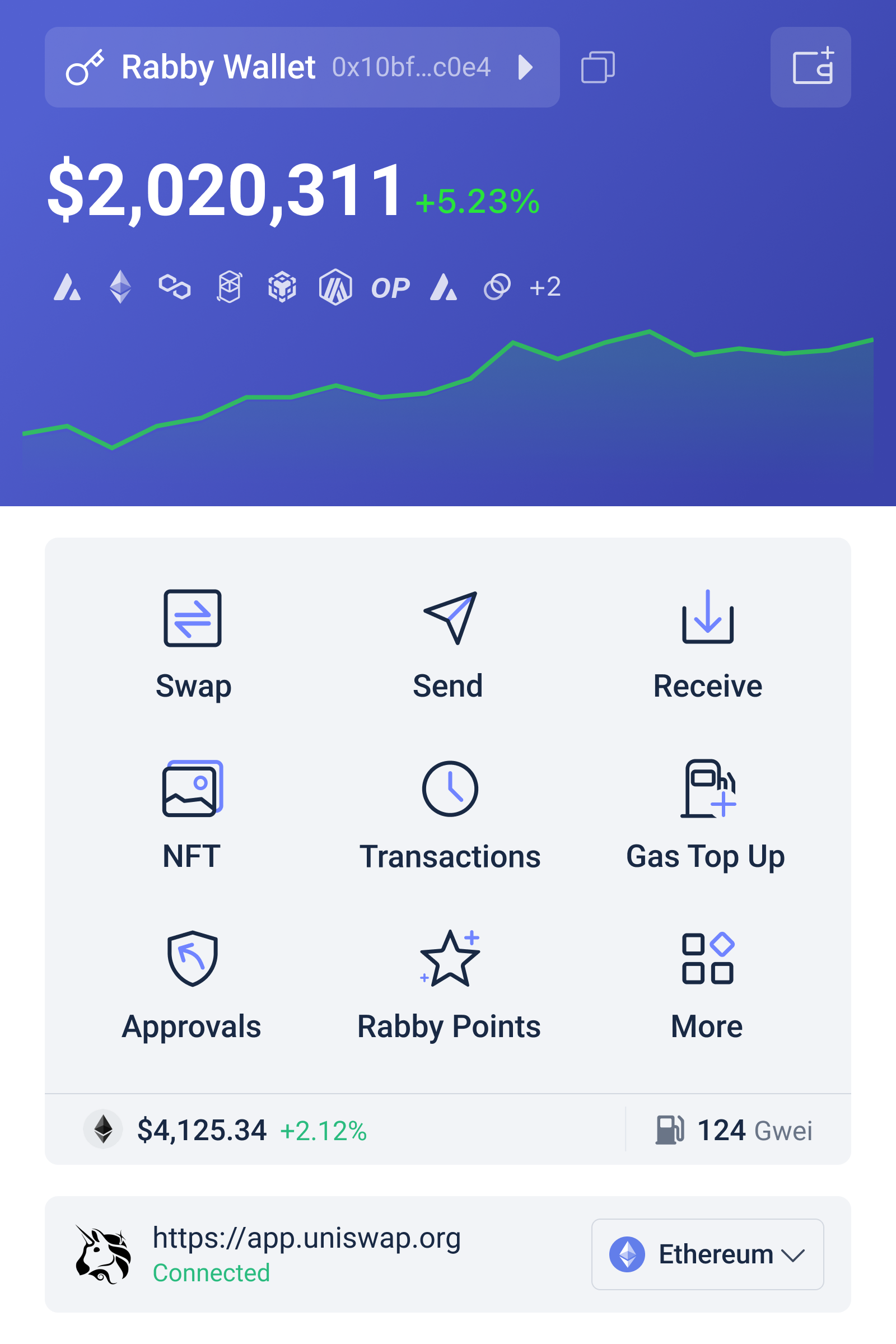
If you want a practical place to try that approach, check out rabby wallet—it integrates transaction simulation and permission controls in a way that’s actually usable for active DeFi participants. I’m biased, but their permission management saved me from a bad approval once, and that stayed with me.
Here’s another nuance: permission management should not be scary. It should allow quick revocation, granular allowances, and clear logs. And it should tell you “why” something is risky, not just flash a red icon. Education in context—small micro-lessons while you transact—goes a long way toward preventing repeat mistakes.
FAQ
How reliable are transaction simulations?
Simulations are very useful but not foolproof. They model contract execution under current state and gas assumptions, which catches many common failures. They won’t always predict mempool-level MEV or off-chain oracle manipulations, though. Use simulation as a strong signal, not absolute proof.
Should I always avoid upgradeable contracts?
Not always. Upgradeable contracts enable rapid bug fixes, but they centralize control. Evaluate the governance model: is there a multisig with reputable signers? Is there a timelock? If the upgrade path is transparent and constrained, the risk is lower. If upgrade power rests in a single key, proceed with caution.
Is cross-chain bridging safe for large sums?
It depends on the bridge’s security model. Trust-minimized bridges with many independent validators are preferable. Custodial or single-signer bridges carry higher risk. For large sums, break transfers, use audited bridges, and consider on-chain confirmations and third-party monitoring services.